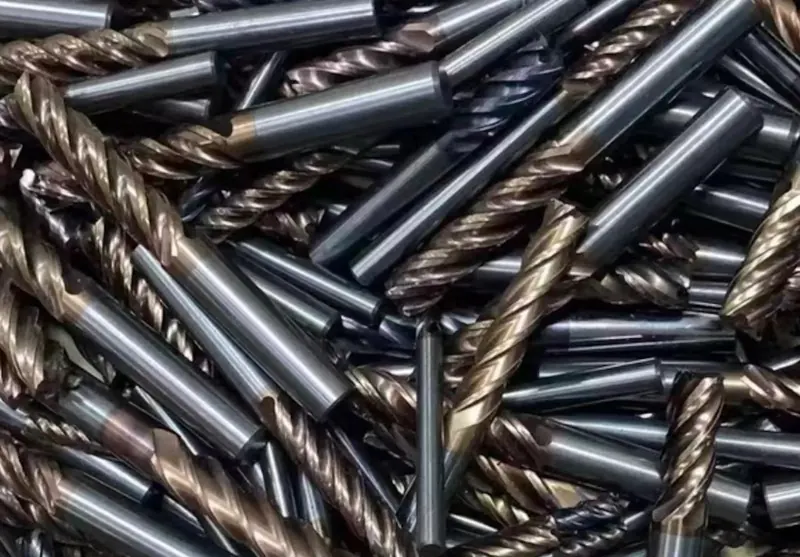
Keep identifiable material together
Separate cemented carbide from high-speed steel, ordinary steel holders, plastic packaging and mixed workshop scrap. Keep grade labels, purchase records or model information when available because they help explain the source and material group.
For tools with steel shanks or coatings, show both the complete tool and representative separated material. Small quantities can be discussed with clear photos and an estimated weight.
Preliminary composition support
A handheld XRF device may be carried for preliminary on-site composition support when the material requires identification. This is an auxiliary indication, not an official laboratory report and not a fixed price basis by itself.
The discussion also considers quantity, condition, mixed material, tool form and current market conditions. Do not combine a group only because all pieces are called 'alloy tools'.
Courier or site arrangements
Selected high-value small items may be discussed for courier delivery within China. A factory batch may be discussed for a site arrangement in Jiangsu, Zhejiang or Shanghai, depending on quantity, location and appointment conditions.
Frequently asked questions
Should carbide tools with steel shanks be separated?
Separate complete tools, carbide pieces and steel shanks where practical, and provide photos of the mixed state. The actual arrangement depends on the batch.
Does XRF determine the final assessment by itself?
No. XRF can support preliminary composition identification. The discussion also considers form, quantity, condition, mixed material and market conditions.